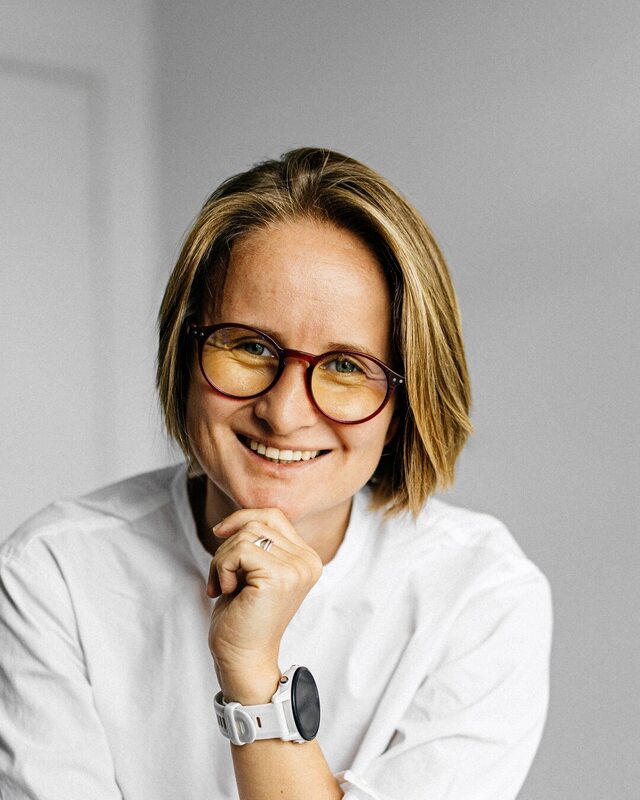
Explain to me what you do like I'm five years old.
I travel through cities, map galleries and museums and connect the dots between people who love art, people who don't know yet that they do, and the artists waiting for them. Art Flaneur is where they meet.
What are you working on right now?
A partnership with a surf photography festival in Queensland. We're building digital routes through the festival and collecting visitor behaviour analytics in places where data usually goes dark: beaches, bushland, spaces with no gates and no ticket scanners.
How did you get here?
I've been a professional photographer for 15+ years. I'm also a professional nomad: Kazakhstan → Italy → the UK → Russia → Australia, and very soon, Japan. In every place I lived, I found myself pulled into the local art scene. Art Flaneur was built for my partner and me first — we were tired of hunting across dozens of websites every time we arrived somewhere new.
What was the moment you nearly stopped, and what kept you going?
By 2025, two years in, we'd hit a ceiling. A database of over 13,000 galleries and museums and tens of thousands of exhibitions worldwide, but as a pure directory, the product had nowhere to go. Then we got into a Kyoto accelerator. Two months there changed everything — that's when the B2B & B2G layers were born, and we're moving to Japan soon.
What are you building towards that doesn't exist yet?
We call Art Flaneur Frankenstein: it brings together things that exist on the market, but are separate. We're free for galleries and artist-run spaces. We provide analytics on physical visitor behaviour, despite being digital. We've got a ticketing system. We offer media services: photo & video shoots, articles, guides, reviews. Is it complicated? Yes. That's exactly why it's interesting.