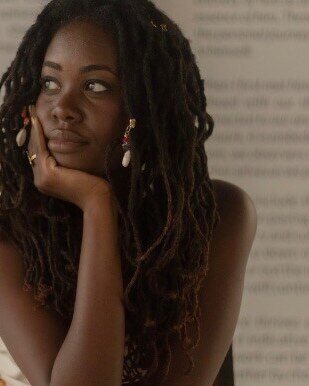
 CT
Chantel Akworkor Thompson
Cultural architect, curator
Explain to me what you do like I'm five years old.
I love my culture. The music, the food, the colours, everything we create, and everything that has been created before us. So what I do is share and protect what these communities create, and make spaces for it to be celebrated — an art exhibition, a concert, or a lesson about people from these places.
What are you working on right now?
Multiple things — why focus when you can flutter. There's Akuraa, an ethical image licensing platform for African photography. ɔkom, a directory of Black and Pan-African organisations across 29 countries. DēpART Education, with a live curriculum, Photography as Living Archives. But the project that has my heart is Te Ase, a Pan-African sonic research and development initiative.
How did you get here?
My lineage is rich with institution builders. I was born into a working class household, single parent, 6 children, and had my first job before age 10. A scholarship to Suzi Earnshaw performing arts school changed everything. After lockdown I built a platform interviewing artists I admired; moving to Ghana in 2021 with no plan, I fell into writing for Gallery 1957 and curating for Amoako Boafo.
What was the moment you nearly stopped, and what kept you going?
Three key moments: experiencing sexual harassment and assault within the art scene; the exploitation of creatives when Western actors enter the African cultural space, which I wrote about and turned down money over; and, most recently, the passing of my twin sister. What remains is the clearest instruction I've ever been given: don't waste it.
What are you building towards that doesn't exist yet?
My great-grandfather chaired the all-African constitutional committee that preceded Ghana's independence; my grandfather founded a school; my grandmother held a chieftaincy. I used to think I had big shoes to fill — now I think I'm just the next one, building whatever comes after having something solid to stand on.